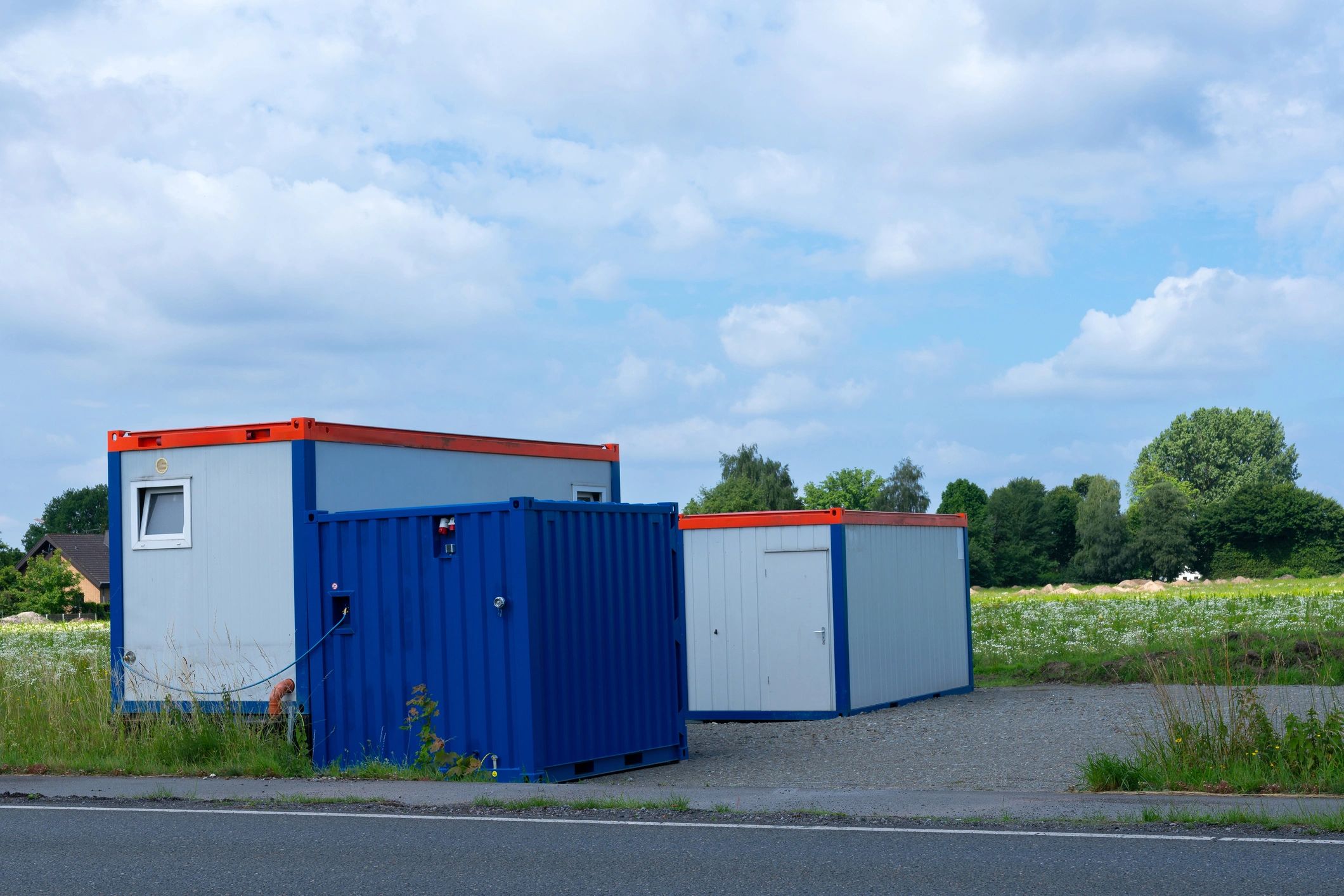
Integrated Off-Grid Energy Solutions
Reliable power systems for remote and fast-moving modular projects
AMK designs and integrates off-grid and hybrid energy packages—aligned to your modular scope—to support predictable commissioning, resilient operations, and scalable deployment anywhere in the world.
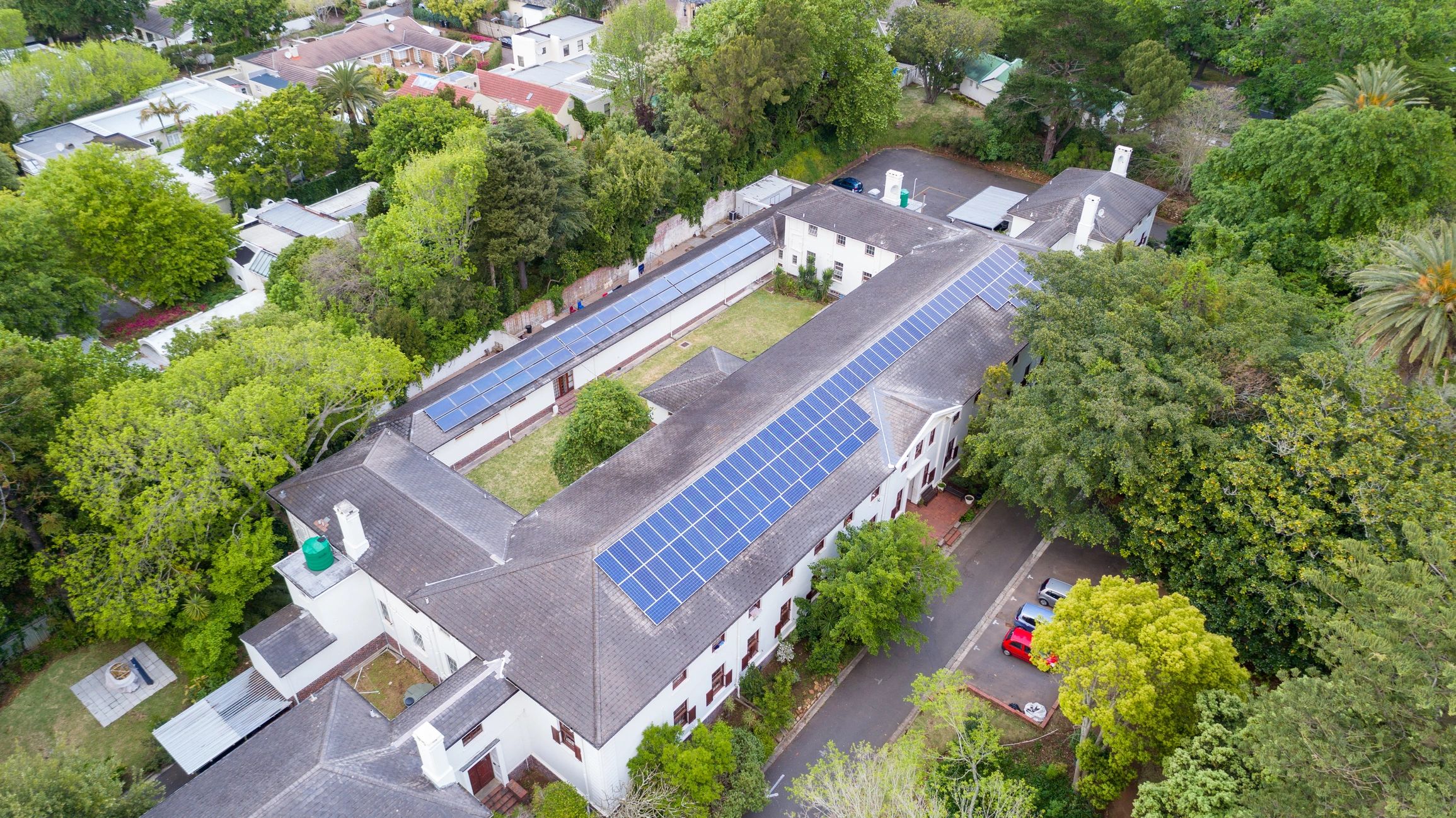

Single-source integration—from load study to commissioning
We align energy generation, storage, and distribution with your building program, site constraints, and operational profile—so power is ready when modules arrive.
Whether you need a fully off-grid solution or a hybrid system that reduces fuel burn, AMK coordinates interfaces across the modular build, MEP readiness, controls, and on-site installation sequencing.
What we deliver
Integrated packages can be tailored to your project requirements, local codes, and site conditions.
Load & autonomy modeling
Right-size systems using expected occupancy, duty cycles, and critical loads to define runtime and redundancy targets.
Solar PV integration
Rooftop or ground-mount PV planning with cable routing, protection, and maintainable access.
Battery energy storage (BESS)
Storage sizing, safety considerations, and controls to support peak shaving and generator-off operation.
Hybrid generator systems
Efficient generator selection and control strategies to reduce fuel consumption and extend service intervals.
Microgrid controls & monitoring
Integrated controls, metering, and remote monitoring for performance visibility and operational assurance.
Distribution & protection
LV distribution, switchgear coordination, earthing/grounding, and protection schemes aligned to the site layout.
MEP & modular interfaces
Interface management for risers, penetrations, plant rooms, and external connections to simplify installation.
Commissioning support
Testing, documentation, and handover support to help achieve reliable start-up and smooth operations.
Designed for remote delivery
Why integrated energy matters for modular projects
Off-grid power is a critical path item. Integrated design reduces interface risk and helps keep fabrication, logistics, and on-site works aligned.
✔
Fewer site unknowns
Clear interface definitions for foundations, cable routes, plant placement, and module connections—planned early.
✔
Predictable commissioning
Coordinated testing plans and documentation so systems are ready for handover when the building is installed.