Why modular construction
Smarter delivery. Faster timelines. Predictable outcomes.
Modular construction reduces schedule risk, improves quality control and streamlines delivery especially for projects with tight timelines, remote sites, or complex logistics.
Key advantages
Why owners and developers choose modular
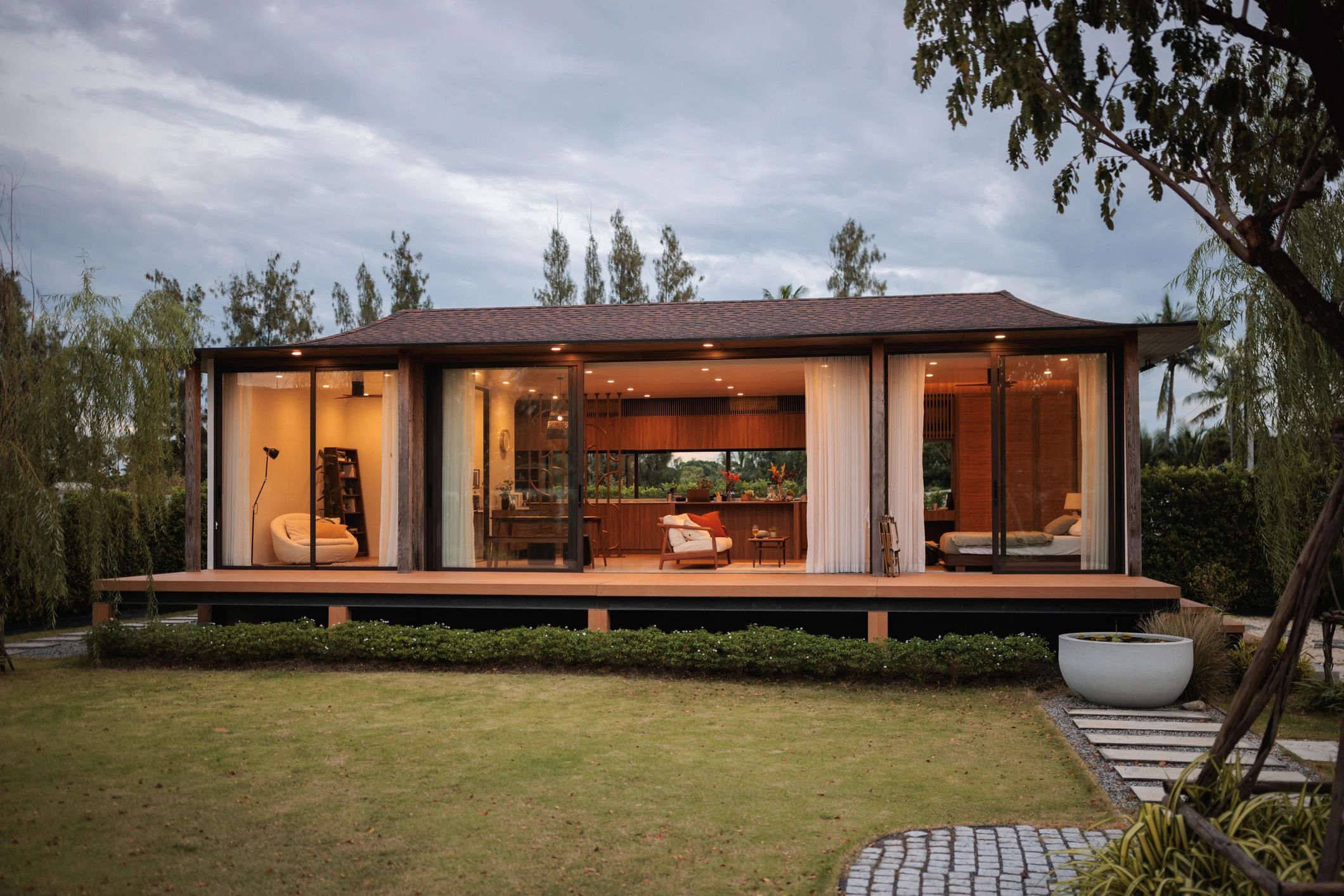
How it works
A delivery model built for certainty
AMK’s modular approach is designed to improve predictability across design, engineering, fabrication, logistics, installation and commissioning while remaining flexible to local codes and project constraints.
Design for manufacture & assembly (DfMA)
Early coordination aligns architecture, structure and MEP with repeatable module standards to reduce rework and accelerate approvals.
Factory fabrication
Controlled production environments support safer workflows, stable labor productivity and consistent inspections throughout the build.
Logistics & installation planning
Sequenced shipping, lifting plans, and site interfaces are developed early to minimize downtime and manage constraints on remote or active sites.
Commissioning-ready handover
MEP readiness and coordinated testing help streamline final connections and support a smoother path to occupancy.
What you gain
Benefits that show up in schedule, cost and risk
Faster
Time to occupancy
Parallel workstreams and repeatable assemblies can reduce overall program duration versus traditional delivery.
Safer
Work environments
More work completed off-site can reduce exposure to weather and high-risk site activities.
Cleaner
Sites and logistics
Fewer site hours and more controlled material handling can reduce waste and improve site organization.
Every project is different – AMK tailors module design, specifications and delivery sequencing to meet performance requirements and local codes.